
Heated Floor Tile: Is It Worth It?
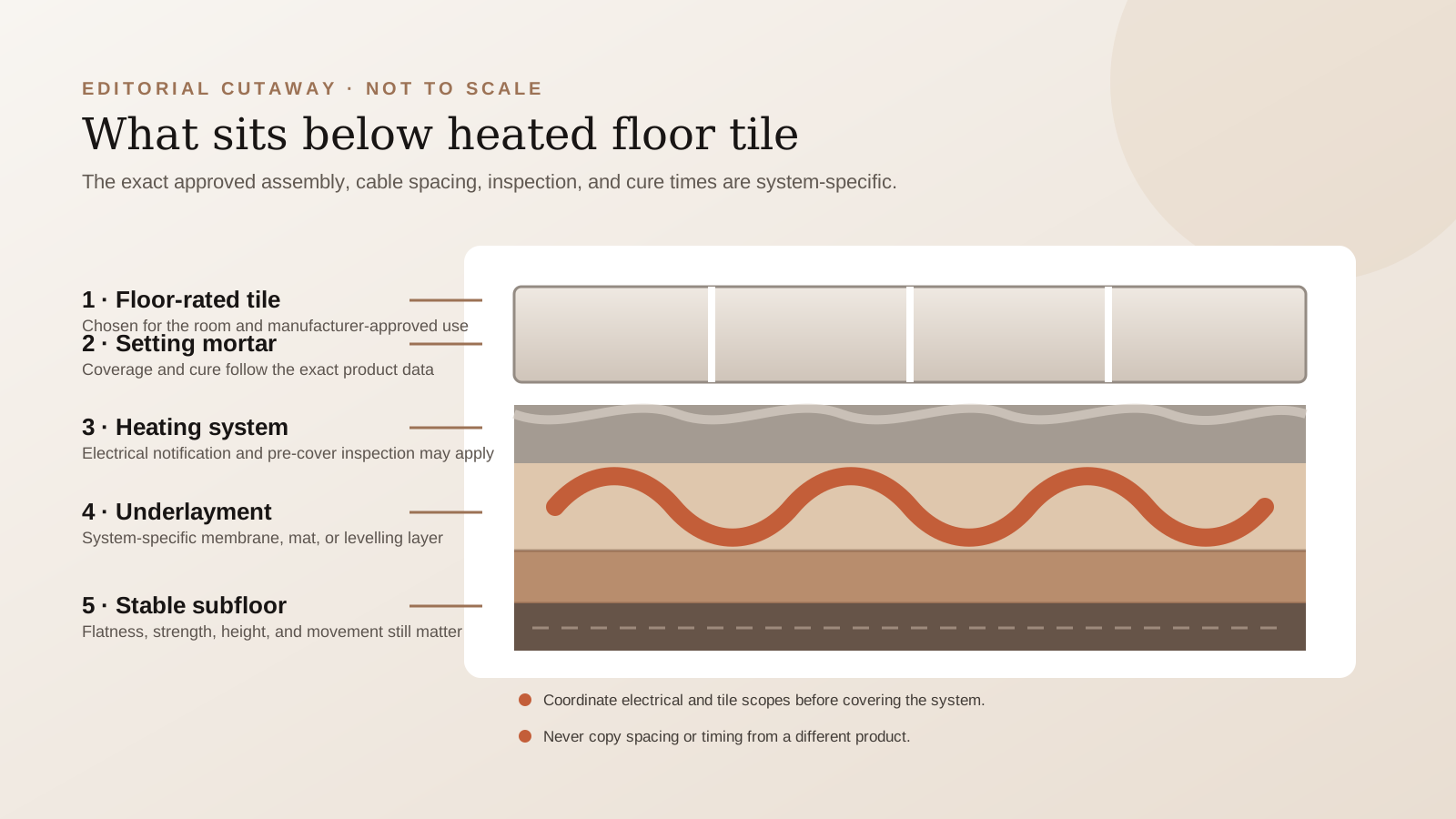
Find out when heated floor tile is worth it for Ontario bathrooms, including comfort, cost drivers, thermostats, tile type, timing, and installation prep.
Key answer
Yes, when the floor is already being tiled
Heated floor tile is worth it for many Ontario bathrooms when the room is already being renovated and the tile floor is coming out. The daily comfort is real, especially in ensuites, main bathrooms, basement bathrooms, and homes where tile feels cold for much of the year. It is much less compelling as a retrofit after the floor has already been finished.
The practical answer is not simply yes or no. Heated tile floors make the most sense when the room is used every day, the budget can absorb the extra electrical and installation work, the floor assembly is being planned from scratch, and the homeowner understands that electric floor warming is usually a comfort system rather than a full replacement for the home's heating system.
If you are planning a heated floor tile installation as part of a bathroom tile installation, the best decision happens early. The heating cable or mat, thermostat, floor sensor, tile format, substrate prep, floor height, and grout timeline all need to work together.
What heated floor tile actually does
In most bathroom tile renovations, heated floor tile means an electric floor warming system installed under the finished tile. The system may use a loose heating cable, a heating mat, or a membrane that holds cable in place. A thermostat and floor sensor control when the floor warms and how warm it gets.
The heat comes from below the finished surface, so it feels different from a forced-air vent blowing warm air into the room. The goal is even floor comfort underfoot. In a small bathroom, that warmth may help the room feel more comfortable overall, but it should still be planned as part of the home's broader heating and ventilation setup.
Tile works especially well with radiant floor heat because porcelain, ceramic, and stone transfer heat better than many softer or insulating floor coverings. That is why heated floors are most common in bathrooms, entries, mudrooms, laundry rooms, and basement tile areas.
Where heated tile floors are worth it
| Room or situation | Worth it? | Why |
|---|---|---|
| Primary bathroom or ensuite | Usually yes | Daily barefoot use makes comfort noticeable every morning and evening. |
| Basement bathroom | Often yes | Tile over a cooler slab can feel especially cold without floor warming. |
| Main family bathroom | Often yes | High use makes the upgrade easier to justify if the floor is already being replaced. |
| Powder room | Sometimes | Nice feature, but limited barefoot use may make the value less obvious. |
| Kitchen or large open floor | Project-specific | Larger areas need more planning around operating cost, circuits, layout, and whether hydronic heat makes more sense. |
| Finished floor retrofit | Usually no | Removing a good tile floor just to add heat is rarely the best use of budget. |
The strongest fit is a room where the finished tile floor is being rebuilt anyway. Once demolition, floor prep, and tile installation are already in the scope, adding heat is more practical than trying to open the floor later.
Electric vs. hydronic radiant floor heat
For most bathrooms, electric radiant floor heating is the practical choice. It is localized, relatively low-profile, and designed for smaller areas where comfort matters: bathroom floors, shower-adjacent drying areas, laundry rooms, and tiled entries.
Hydronic radiant heat uses warm water running through tubing. It can make sense in larger whole-home systems, additions, slabs, or projects where the heating design is being handled with the mechanical system. It is usually more involved than a typical bathroom tile upgrade.
That difference matters because homeowners often ask whether heated tile will heat the whole room. A small electric floor warming system may help, but its main job is comfort underfoot. If the bathroom is cold because of poor insulation, weak ventilation, an undersized HVAC supply, or a basement slab issue, floor warming should be part of a larger room plan rather than the only fix.
The best time to add heated flooring
The best time to add heated flooring is before tile installation starts, after the existing floor is removed and the substrate can be assessed. At that stage, the installer can confirm flatness, transitions, floor height, thermostat location, heating coverage, and whether the electrical work is straightforward.
Retrofits are harder because the heating layer sits below the finished tile. If the current floor is in good condition, adding heat usually means removing tile, dealing with demolition, rebuilding the assembly, and installing a new floor. That can turn a comfort upgrade into a much larger renovation.
For a planned floor tile installation, the question should come up before tile is ordered. Heated-floor membranes, cables, self-leveling layers, uncoupling layers, and larger tile formats can all affect finished height and transitions into hallways, hardwood, vinyl, or carpet.
Tile type matters more than most people expect
Porcelain and ceramic tile are usually excellent partners for heated floors because they transfer heat efficiently, handle bathroom moisture well, and are available in formats that suit floor installation. Natural stone can also work well, but it needs the same maintenance conversation it always does: sealing, cleaning, and realistic expectations around variation.
Large-format porcelain can look clean and premium over heated floors, but it raises the bar for prep. The flatter the substrate, the easier it is to control lippage and mortar coverage. A heating layer does not hide floor problems; it adds another layer that must be installed cleanly before the tile goes down.
If you are still deciding between materials, compare the room demands in our porcelain vs ceramic tile guide. For most heated bathroom floors, the safest choice is a porcelain or ceramic floor tile with an appropriate surface finish, grout plan, and installation method.
What changes the cost and value
The cost of heated floor tile is shaped by more than the heating mat. Important variables include the heated square footage, thermostat type, floor sensor, electrical work, whether a dedicated circuit is needed, substrate condition, self-leveling or patching, uncoupling membrane, tile size, grout, transitions, and waterproofing details near the shower.
The value is also personal. A heated floor in a rarely used powder room may feel like a luxury line item. The same upgrade in a primary ensuite that is used twice a day through Ontario winters can feel like one of the best decisions in the renovation.
Think about value in terms of daily use, not only resale. Heated floors can make a finished bathroom feel more premium to future buyers, but the homeowner who uses the room every day receives most of the benefit.
Thermostat planning makes the upgrade better
A thermostat is not a minor accessory. It controls how useful the heated floor feels. A programmable thermostat can warm the tile before the morning routine, reduce unnecessary runtime during the day, and bring the floor back up for evening use.
The floor sensor also matters. It tells the thermostat what the floor is doing rather than relying only on air temperature. That helps keep the surface comfortable without guessing. The sensor location should be planned before installation, not improvised after the cable is embedded.
In Ontario homes with time-of-use electricity, schedule planning can matter. The right approach depends on household habits, room size, heat-up time, utility rates, and whether the floor sits over a warmer framed floor or a cooler basement slab.
Subfloor prep, insulation, and floor height
Heated tile floors still need the same fundamentals as any quality tile floor: a stable substrate, proper flatness, suitable underlayment, correct mortar coverage, movement planning, and clean transitions. Heat does not compensate for bounce, poor prep, loose subfloor layers, or tile set over the wrong surface.
Insulation and thermal direction can affect how the system feels. A bathroom over a conditioned main floor may respond differently than a bathroom over a cold basement, garage, or slab. The goal is to send heat upward into the tile surface instead of wasting warmth into the structure below.
Floor height should be discussed early. Heating cable, membrane, self-leveling, mortar, and tile thickness can raise the finished floor. That affects door clearance, vanity toe kicks, toilet flange height, shower thresholds, and transitions into nearby rooms.
Ontario electrical notification and pre-cover inspection
Electric floor warming is both a tile-assembly decision and electrical work. In Ontario, the Electrical Safety Authority's in-floor heating bulletin says heating cables and mats require an electrical notification and inspection before they are concealed. That means the electrical plan and inspection timing should be settled before mortar, self-leveler, or tile makes the system inaccessible.
A Licensed Electrical Contractor should coordinate branch-circuit, thermostat, sensor, voltage, load, protection, and final-connection requirements unless the homeowner is legally completing their own electrical work. The selected system should carry an accepted Canadian certification mark and be installed within its approved use, not treated as a generic cable that can be improvised around fixtures or drains.
Responsibilities should be written into the scope. The tile installer may plan the floor build-up, cable-free zones, membrane, flatness, and tile work, while the electrical contractor handles the notification and electrical portions. Resistance readings, sensor placement, product labels, inspection status, and photos before covering create a useful record if the floor ever needs service.
Installation details that should not be rushed
A clean heated floor installation starts with a layout. The heating area should follow where people walk and stand, not disappear under a fixed vanity, tub, or other built-in element. The thermostat location, sensor path, and electrical connection should be coordinated before tile work begins.
During installation, resistance checks are commonly used to confirm the cable has not been damaged before, during, and after tile setting. That step matters because once the floor is tiled, a damaged cable is difficult and expensive to access.
The tile also needs time. Mortar, grout, and any leveling compounds need to cure according to the product instructions before the system is brought into regular use. Turning heat on too early can create avoidable problems in the setting materials.
Mistakes that make heated tile disappointing
The first mistake is adding heat too late. Heated flooring belongs in the planning conversation, not after the tile has arrived and the room is already being set. Waiting too long can create floor-height surprises, thermostat compromises, and rushed electrical coordination.
The second mistake is expecting the system to solve a cold-room problem by itself. If the bathroom has weak insulation, poor airflow, a cold exterior wall, or no practical ventilation plan, the heated floor will improve comfort underfoot but may not fix the whole room.
The third mistake is choosing tile only by appearance. A polished or slippery floor tile may be wrong for a bathroom even if it looks beautiful. A textured tile may feel safer but hold residue. The best heated floor still needs the right surface, grout colour, and maintenance plan. See our Ontario tile floor maintenance guide for upkeep habits after installation.
Our recommendation for Waterloo Region bathrooms
For Waterloo Region homeowners, heated floor tile is usually worth considering in any bathroom renovation where the floor is being replaced. It is especially strong for ensuites, basement bathrooms, older homes with cold floors, and premium renovations where comfort is part of the finished room.
We would not treat it as automatic in every project. If the budget is tight, the room is rarely used, the existing floor is staying, or the main problem is a cold bathroom caused by insulation or HVAC issues, spend the planning time before committing.
Moonka Tiles Co. installs heated tile floors, bathroom floors, waterproofing prep, and custom tile details across Waterloo Region. If you are comparing options for a renovation, send your bathroom details through the contact form.
Frequently asked questions
Is heated floor tile worth it in a bathroom?
Yes, heated floor tile is often worth it in a bathroom when the tile floor is already being replaced. It is most valuable in ensuites, main bathrooms, basement bathrooms, and high-use rooms where daily barefoot comfort matters.
Can heated tile floors heat the whole bathroom?
A heated tile floor can make a bathroom feel more comfortable, but electric floor warming is usually planned as supplemental comfort rather than the only heat source. If the room itself is cold, insulation, ventilation, and HVAC conditions should also be reviewed.
What tile works best over heated floors?
Porcelain and ceramic floor tile usually work very well over heated floors because they transfer heat efficiently and suit bathroom moisture. Natural stone can also work, but it needs more maintenance and should be selected carefully.
When should heated flooring be installed?
Heated flooring should be planned before tile installation starts, after demolition and substrate assessment. It is much easier to add during a renovation than after the finished tile floor is already installed.
Do heated tile floors need a special thermostat?
Yes, heated tile floors are typically controlled by a thermostat and floor sensor designed for the heating system. The thermostat location, sensor placement, and electrical connection should be planned before the heating layer is embedded.
Sources and further reading
Technical claims are checked against the following primary or specialist references. Product-specific instructions always take precedence for the assembly being installed.
- Electrical Safety Authority: in-floor heating cable and mat bulletinUsed for: Ontario notification, inspection-before-covering, certification-mark, thermostat, sensor, and installation requirements for electric floor warming.
- Electrical Safety Authority: notification and inspection guidanceUsed for: When Ontario electrical work requires notification, inspection, and coordination with a Licensed Electrical Contractor.
- WarmlyYours Canada: electric radiant floor heating systemsUsed for: Manufacturer-level planning context for cable or mat systems, thermostats, sensors, and floor-covering compatibility.