
Do You Need a Permit to Renovate a Bathroom in Kitchener, Waterloo or Cambridge?
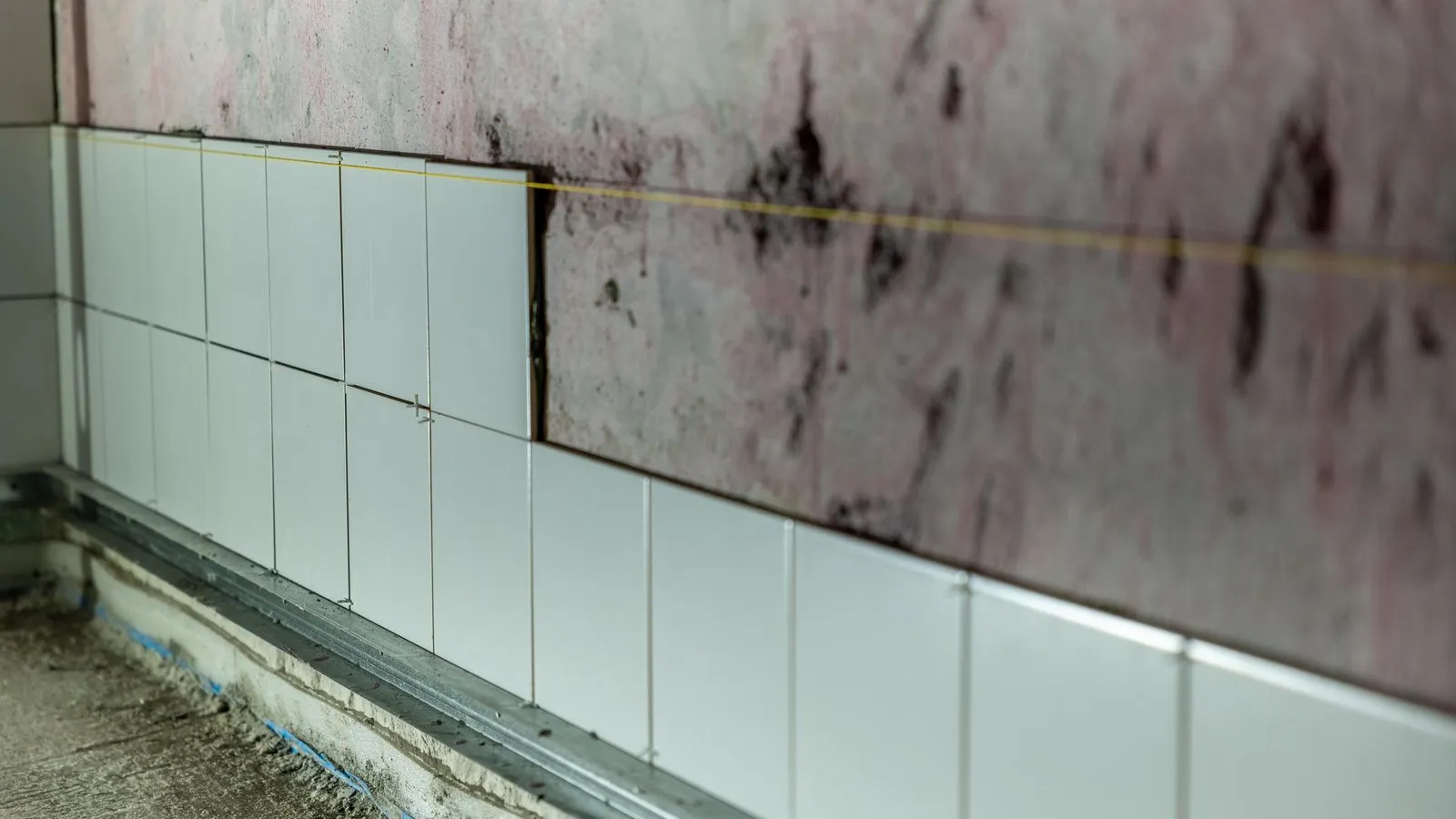
Do you need a permit to renovate a bathroom in Kitchener, Waterloo or Cambridge? What each city says about tile, fixtures, plumbing, basements and fees.
Key answer
Retiling usually needs no permit, changing the plumbing usually does
For a bathroom renovation permit in Kitchener, Waterloo or Cambridge, the line is mostly about plumbing and structure, not finishes. Kitchener says tiling and similar finish work do not need a permit, and Kitchener and Waterloo both say replacing a fixture in the same location does not need one. Adding, moving or changing plumbing fixtures does, and so do finishing a basement, removing a load-bearing wall and other structural work.
So a bathroom where new tile goes on the same walls and the toilet, vanity and tub are swapped in the same places is usually permit-free. A renovation that turns a tub into a shower, moves a toilet, adds a basement bathroom or recesses the floor for a curbless shower usually is not. Electrical work, including a heated floor, goes through the Electrical Safety Authority instead of the city.
Each city's rules are summarized below with links to the source pages, checked in October 2026. Confirm with the city's building division before work starts, because rules and fees change. Guelph, which we also serve, is covered further down. For how we plan the tile side of a bathroom project, see our bathroom tile installation service.
Bathroom permit rules in Kitchener, Waterloo and Cambridge at a glance
| Bathroom work | Kitchener | Waterloo | Cambridge |
|---|---|---|---|
| New tile on walls or floors only | No permit (finish work) | Not listed: ask the city | Not listed: ask the city |
| Replacing a toilet, sink or tub in the same spot | No permit | No permit (same type, same location) | Not listed: ask the city |
| Tub to shower, or moving any fixture | Permit | Permit (add or change plumbing) | Permit (plumbing or drains) |
| New fixture at an existing rough-in | Permit (adding a fixture) | Permit (stated on the city's checklist) | Permit (plumbing) |
| Finishing a basement bathroom | Permit | Permit | Permit (plumbing or drains) |
| Removing a load-bearing wall | Permit | Permit (structural change) | Permit (interior structural alteration) |
| Heated floor, lighting, outlets | Electrical Safety Authority | Electrical Safety Authority | Electrical Safety Authority |
"Not listed" means the city's page does not address it, not that a permit is required. Where a page is silent, a short email or call to the building division settles it.
When a bathroom renovation needs a permit
Ontario's guide to building permits says you need a permit before you make renovations or repairs to a building, and that permits come from the body that enforces the Building Code in your area, generally the municipal building department. Each city then publishes which common home projects that includes, which is why the details differ slightly between Kitchener, Waterloo and Cambridge.
Plumbing is where most bathroom projects cross the line. Drains, vents and water supply are covered by the Building Code and are inspected before walls and floors are closed in. So moving or adding a fixture, changing a tub to a shower, adding a bathroom in a basement, and structural work such as cutting joists or removing a load-bearing wall are the usual permit triggers.
When you don't need a permit for a bathroom renovation
Finishes are the permit-free side. Kitchener lists painting, wall papering, tiling, carpeting, cabinets, countertops and similar finish work as not needing a permit, and Cambridge lists painting and decorating and kitchen or bathroom cupboards without plumbing the same way.
Swapping fixtures in place is also generally exempt. Kitchener says replacing a toilet, bathtub or sink with a new fixture in the same location needs no permit, and Waterloo says the same for replacing a plumbing fixture with the same type in the same location. A refresh that keeps the layout, with new tile, a new vanity on the same plumbing and a new toilet in the same spot, usually stays on this side of the line.
Kitchener: what the city says
The City of Kitchener's permit page lists adding or moving plumbing fixtures, and adding or removing plumbing structures, as work that needs a building permit. Replacing a toilet, bathtub or sink with a new fixture in the same location does not, and neither does tiling or similar finish work. You can apply online through the city's services tool or book an in-person appointment.
Finishing a basement needs a permit in Kitchener, as do removing a load-bearing wall, column, lintel or beam, and re-insulating walls, ceilings or floors, which can matter when an exterior bathroom wall is opened. Removing a non-load-bearing wall in a single, semi-detached or townhouse dwelling does not. Kitchener also states that it does not review or inspect electrical work. See our Kitchener tile installation page for local projects.
Waterloo: what the city says
The City of Waterloo says replacing a plumbing fixture with the same type in the same location does not need a permit. Its interior renovation checklist says a permit is typically needed to add or change plumbing, including new fixtures at an existing rough-in, to add or remove walls, and to finish an unfinished space such as a basement. Waterloo's list also includes demolishing all or part of a building, including interior demolition, so a full gut of a bathroom is worth confirming with the city first.
Waterloo publishes its fees. Plumbing work done independently of a building permit, including adding, removing or relocating fixtures, is charged at 1% of construction cost; residential interior renovation is $0.62 per square foot; a finished basement is a flat $351; and the minimum fee for any permit application is $132. The city lists 10 business days to review permits for renovations to single-detached, semi-detached and townhouse homes, counted from when the application is complete.
Questions go to the building division at 519-747-8712 or building@waterloo.ca. See our Waterloo tile installation page for local work.
Cambridge: what the city says
The City of Cambridge lists plumbing or drains, interior structural alterations, and adding or removing walls among the projects that need a permit. Kitchen or bathroom cupboards without plumbing, and painting and decorating, are listed as not needing one.
Cambridge's page does not address tile, flooring or replacing fixtures in the same location, so for those, contact the building division at building@cambridge.ca or 519-623-1340 before you start. Our Cambridge tile installation page covers local projects.
Guelph: what the city says
Guelph sits outside Waterloo Region but follows the same Ontario Building Code. The City of Guelph's residential interior renovation page lists renovating a kitchen or bathroom that includes structural or plumbing changes as work that needs a permit, along with structural changes, including adding or removing load-bearing and non-load-bearing walls. Note that last point: unlike Kitchener, Guelph's page lists non-load-bearing walls too.
Guelph asks for an overall floor plan for each storey where work is done, showing the existing and proposed layout at a recognizable scale, and says partial floor plans or photos will not be accepted. A Schedule 1 form is completed by a BCIN-qualified designer or, for owners, under the owner exemption, and the files are submitted as PDFs with the online application. The city's building line is 519-822-1260. See our Guelph tile installation page for local work.
Basement apartments and secondary units
A bathroom that is part of a new basement apartment or additional unit is reviewed as part of that unit, not as a stand-alone bathroom. Waterloo's fee schedule notes that its finished basement fee does not include the creation of a new unit, and it lists 15 business days to review secondary dwelling units in houses, compared with 10 for ordinary renovations.
Creating a unit brings in Building Code requirements for the unit as a whole, so plan it with a designer before choosing tile. The bathroom is then built to the approved drawings, with the plumbing inspected before the walls and floors are closed.
Renovating a rented unit: Waterloo and Guelph licences
If a landlord needs a tenant to move out for a renovation, two local cities add a step. Waterloo's Rental Housing Renovation Licence bylaw applies to rental units where an N13 notice has been given, the form used to end a tenancy for renovations or repairs, for notices given on or after July 1, 2026. The landlord must apply for the licence within seven days of serving the notice, and also needs a building permit and a report from a qualified person.
Guelph requires a Rental Renovation Licence when a landlord serves an N13 notice for major repairs or renovations and the tenant must move out during the work; licences are valid for 12 months. Landlords in Kitchener or Cambridge should ask their city whether a similar licence applies before serving notice. Bathroom work that does not need the unit vacated is not covered by these licences, but it still follows the normal permit rules above.
Electrical work goes to the ESA, not the city
Bathroom lighting, fan wiring, new outlets and heated floors are electrical work. In Ontario that falls under the Electrical Safety Authority, which publishes when a notification is needed and how inspections work. Kitchener's permit page says plainly that the city does not review or inspect electrical work.
Heated floors are the common case in a tile renovation. The Electrical Safety Authority requires notification for in-floor heating cables and mats and an inspection before they are covered, and the electrical connection belongs with a Licensed Electrical Contractor. Our guide to heated floor tile explains how it fits into the tile schedule.
Common bathroom projects: does this need a permit?
Retiling a shower or floor in the same layout. Finish work, as long as the drain, valve and fixtures stay where they are. Where a city's page is silent on tile, confirm with the city.
Replacing a tub with a shower. Usually a permit, because the fixture type changes and the drain usually moves. See our guide to a tub to shower conversion.
Building a curbless shower. Usually a permit for the plumbing, and possibly for structural work if the floor framing is altered to recess the shower. Our curbless shower guide explains why joists should not simply be cut.
Adding a basement bathroom. A permit in all three cities: it adds plumbing, and in Kitchener and Waterloo, finishing a basement is on the permit list in its own right.
Moving a toilet or vanity. A permit, because a fixture is moving. Swapping either one in the same spot is the exempt version.
What to prepare before you apply
Requirements differ by city and project, but most bathroom permit applications need the same core documents. Waterloo asks for drawings to scale and dated, with floor plans showing existing and proposed construction and details of any structural changes, plus the permit application, an owner declaration for most homeowners, and a Schedule 1 designer form unless exempt. Guelph asks for an overall floor plan for each storey and will not accept partial plans or photos.
For a bathroom, that means a floor plan showing where every fixture is now and where it will be, which walls change, and any framing changes for a recessed or curbless shower. If you are working with a contractor, agree who prepares the drawings and whose name goes on the application before anything is submitted.
Who applies for the permit, and what to ask your contractor
Either the homeowner or the contractor can apply, but agree in writing who is responsible before work starts, including who books each inspection and who keeps the permit paperwork.
Ask your contractor: Does this scope need a permit, and who is applying? Which inspections are needed, and who books them? Is a licensed plumber doing the plumbing? Is the permit fee in the quote? Ontario says a home-renovation contract worth more than $50 must be in writing, which is the right place to record the answers. Our guide on how to hire a tile installer in Ontario covers the rest.
Inspections and your renovation schedule
Apply before you book trades, not after. Review times only start once an application is complete with all documents and fees, so an incomplete one simply waits; Waterloo's published review times are in its section above.
Ontario's guide says the permit holder must contact the municipality for an inspection at each stage the Building Code sets, and that the building official must inspect within two working days of being notified. For a bathroom, that typically means the plumbing is inspected before walls and floors are closed in, followed by a final inspection when the work is complete.
This is where tile scheduling matters. Wall board, waterproofing and tile all cover the plumbing, so nothing should be closed in until the required inspection has passed. The practical order is apply, receive the permit, demolish, rough in, pass the inspection, then close the walls and floor, waterproof and tile. Leave a day or two of slack rather than booking the tile crew for the morning after the rough-in.
Common misunderstandings about bathroom permits
"It's only a small job." Size is not the test; what the work changes is. Moving a toilet a few feet is a plumbing change, while retiling an entire bathroom in the same layout is finish work.
"Tile needs a permit." Not on its own: it is the plumbing, structure or electrical behind the tile that brings permits in.
"The electrical goes on the building permit." In Ontario, electrical work such as a heated floor, fan or lighting goes through the Electrical Safety Authority, not the city's building permit.
"The contractor will sort it out." They may, but the contract should say so. The permit holder is responsible for booking inspections, so agree in writing who applies and who books them.
"A condo doesn't need a city permit." A condo board's approval and a city permit are separate. Get the corporation's approval, and check the city's permit rules for the work as well.
What happens if a required permit is skipped
Skipping a permit does not make the work invisible. Inspections exist so that plumbing and structural work can be checked before it is covered; if that work is closed in without one, it may have to be opened up again so it can be inspected. Unpermitted plumbing can also come up later, for example when the house is sold.
A permit fee is usually small next to the cost of tearing out finished tile. Building the permit into the schedule from the start also means the inspection happens at the right moment, before the waterproofing and tile go on.
A bathroom renovation permit checklist
- Write down the scope: which fixtures stay, which move, which are added, and whether any walls, framing or the floor structure change.
- Check your city's list (Kitchener, Waterloo, Cambridge or Guelph) against that scope, and email the building division if anything is unclear.
- If a permit is needed, prepare scaled, dated floor plans of the existing and proposed layout, plus any structural details.
- Agree in writing who applies, who pays the fee, and who books inspections.
- For heated floors, fans, lighting or outlets, plan for the Electrical Safety Authority notification; we recommend a Licensed Electrical Contractor for the work.
- In a condo, get the corporation's approval and renovation rules too.
- Book trades around the permit and inspection dates, and do not close walls or floors until the inspection has passed.
- Keep the permit, inspection results, product names and photos of the waterproofing with your home records.
If you are unsure whether a line applies to your project, the city's building division can usually answer from a short description and a sketch of the layout.
Keep the paperwork
A closed permit with a passed final inspection is the simplest proof that the plumbing and structure behind your new tile were checked. Keep it with the drawings, the Electrical Safety Authority paperwork for any heated floor or new circuit, and the names of the waterproofing and setting products used.
Those records answer the questions that come up later, for example when you sell the house or when a future renovation opens the same wall. Photos of the membrane and plumbing taken before tile are worth keeping for the same reason: they show what is behind a finished wall without opening it.
Bottom line: bathroom renovation permits in Kitchener, Waterloo and Cambridge
On a bathroom renovation, tile, paint and same-spot fixture swaps are generally the permit-free side. Moving, adding or changing plumbing, finishing a basement and structural work are the permit side, and electrical work goes to the ESA. When in doubt, a short email to the city's building division is the quickest way to a definite answer.
Moonka Tiles Co. plans tile work around the permit and inspection schedule, so nothing is tiled over before it has been inspected. We work across Waterloo Region, including Kitchener, Waterloo and Cambridge. Send us your bathroom plans, and we will help you sort out which parts of the job are tile work and which will need a permit.
Frequently asked questions
Do I need a permit to retile my shower in Kitchener?
Not for the tile itself. Kitchener lists tiling and similar finish work as not needing a permit, and replacing a fixture with a new one in the same location is also exempt. If the drain, valve or fixture locations change, or walls are structurally altered, a permit is needed.
Do I need a permit to replace a bathtub with a shower in Waterloo?
Usually, yes. Waterloo exempts only replacing a plumbing fixture with the same type in the same location. A shower is a different fixture type, and the drain normally moves, which counts as adding or changing plumbing. Contact Waterloo's building division at 519-747-8712 if you are unsure about your layout.
How long does a renovation permit take in Waterloo?
The City of Waterloo lists 10 business days to review permits for new homes, additions or renovations to single-detached, semi-detached and townhouse homes. The clock starts once the application is complete, meaning all documents are in and fees are paid, so a complete application is the fastest route.
Does a heated bathroom floor need a permit in Ontario?
It needs an electrical notification rather than a city building permit. The Electrical Safety Authority requires notification for in-floor heating cables and mats and an inspection before they are covered with tile, and the electrical connection should be made by a Licensed Electrical Contractor.
Who should get the building permit, the homeowner or the contractor?
Either can apply, but the contract should say who is responsible. The permit holder books the inspections at each required stage. Many homeowners prefer the contractor to handle it; whoever applies, ask to see the permit before work starts and keep a copy with your project paperwork.
Sources and further reading
Technical claims are checked against the following primary or specialist references. Product-specific instructions always take precedence for the assembly being installed.
- City of Kitchener: when you need a building permitUsed for: Kitchener's permit list: adding or moving plumbing fixtures, finishing a basement, removing a load-bearing wall, and re-insulating need a permit; replacing a toilet, bathtub or sink in the same location, tiling and similar finish work, and removing a non-load-bearing wall do not; the city does not review or inspect electrical work.
- City of Waterloo: check if you need a building permitUsed for: Replacing a plumbing fixture with the same type in the same location needs no permit; alterations to a structure that contains plumbing, basement work that adds or changes plumbing, and interior demolition need a permit.
- City of Waterloo: interior renovations and basements checklistUsed for: A permit is typically needed to add or change plumbing, including new fixtures at an existing rough-in, to add or remove walls, and to finish an unfinished space such as a basement; the documents the city expects with an application.
- City of Waterloo: building permit timelines and feesUsed for: Plumbing work charged at 1% of construction cost, interior renovation at $0.62 per square foot, finished basements at a flat $351, a $132 minimum fee, and a 10 business day review for renovations to single, semi-detached and townhouse homes.
- City of Cambridge: building permitsUsed for: Plumbing or drains, interior structural alterations, and adding or removing walls need a permit; kitchen or bathroom cupboards without plumbing, and painting and decorating, do not.
- City of Guelph: residential interior renovations and alterationsUsed for: Renovating a kitchen or bathroom with structural or plumbing changes, and adding or removing load-bearing or non-load-bearing walls, need a permit; overall floor plans for each storey (no partial plans or photos), a Schedule 1 form, PDF files, and the 519-822-1260 contact line.
- City of Waterloo: rental housing renovation licence bylawUsed for: The licence applies to rental units where an N13 notice is given on or after July 1, 2026; landlords apply within seven days of the notice and also need a building permit and a report from a qualified person.
- City of Guelph: rental renovation bylaw for landlords and tenantsUsed for: A Rental Renovation Licence is required when a landlord serves an N13 notice for major repairs or renovations and the tenant must move out; licences are valid for 12 months.
- Ontario: citizen's guide to building permitsUsed for: A permit is needed before making renovations or repairs to a building, permits are issued by the body that enforces the Building Code locally, the permit holder books inspections, and inspections happen within two working days of notice.
- Electrical Safety Authority: in-floor heating cable and mat bulletinUsed for: Ontario notification, inspection-before-covering, certification-mark, thermostat, sensor, and installation requirements for electric floor warming.
- Electrical Safety Authority: notification and inspection guidanceUsed for: When Ontario electrical work requires notification, inspection, and coordination with a Licensed Electrical Contractor.
- Ontario: consumer rights for home renovations and repairsUsed for: Written-estimate, written-contract, change, payment, and cooling-off guidance for Ontario renovation consumers.