Best Tile for Shower Floors: What Works and What to Avoid
The best tile for shower floors is usually matte porcelain in a small format. Compare tile size, drains, slip ratings, grout, and stone before you choose.
Key answer
Matte porcelain in a small format is the safest default
For most showers, the best tile for a shower floor is a matte or lightly textured porcelain mosaic, often around 2 by 2 inches or smaller, set on a properly sloped and waterproofed base. Porcelain resists water, small tiles follow the slope to the drain, and the extra grout joints add grip underfoot. Larger porcelain tile can work beautifully too, but usually only when a linear drain lets the whole floor slope in one direction.
What to avoid is just as clear: polished or glossy tile, ceramic made only for walls, most glass tile, and large tile forced onto a floor that slopes four ways to a centre drain. Natural stone and pebble floors can be stunning, but they bring more sealing, cleaning, and grout upkeep, especially with the hard tap water found across much of Waterloo Region.
This guide covers the shower floor only. If you are still choosing materials for the whole shower, start with our overview of types of tile for showers, then come back here to settle the floor.
Shower floor tile options compared
| Tile option | Works best when | Watch out for |
|---|---|---|
| Matte porcelain mosaic, about 2 inches or smaller | Centre drains, compact showers, and floors that slope in four directions. | More grout joints to keep clean, and sheet lines that must stay straight. |
| Larger matte porcelain | Linear drains with a single-plane slope, curbless showers, and floors that continue from the bathroom. | Needs a flat base, an exact slope, and a product rated for wet floors. |
| Porcelain hexagon or penny round | Design-led floors that still need small pieces to follow the slope. | Penny rounds leave wide grout areas between the circles. |
| Natural stone mosaic | Homeowners who accept sealing, stone-safe cleaners, and a changing patina. | Marble and limestone can etch with acidic cleaners; some stones stain or darken. |
| Pebble tile | Textured, spa-style floors with strong grip. | Uneven feel underfoot, heavy grout use, and more scrubbing. |
| Glazed ceramic mosaic | Only when the manufacturer rates that exact product for wet floor use. | Wall ceramic is not floor tile. Check the product-use rating first. |
| Glass or polished tile | Walls, niches, and accent bands rather than the floor. | Slippery when wet and unforgiving at cuts around the drain. |
Use the table to narrow the field, then check the exact product. The rated use, surface finish, size, thickness, and edge type of a specific tile matter more than the broad category printed on the box.
Why a shower floor needs different tile than the walls
A shower wall sheds water. A shower floor collects it, carries it to the drain, and gets stood on by wet, barefoot, soapy people every day. That changes what matters. On the wall, you can choose glossy tile, large panels, or delicate handmade surfaces. On the floor, the tile has to follow a slope, stay bonded under foot traffic, and give reasonable grip when it is wet.
The floor is also where residue collects. Water sits longest in the low areas near the drain, soap film settles into textured surfaces, and minerals from hard water leave visible scale. A tile that looks perfect on a sample board can become a weekly chore once it spends a year at the bottom of a shower that gets used every morning.
That is why many premium showers mix formats: large porcelain on the walls, a smaller or more textured tile on the floor, and one grout colour that ties them together. It is a design decision and a performance decision at the same time.
Drain type and slope decide your tile size
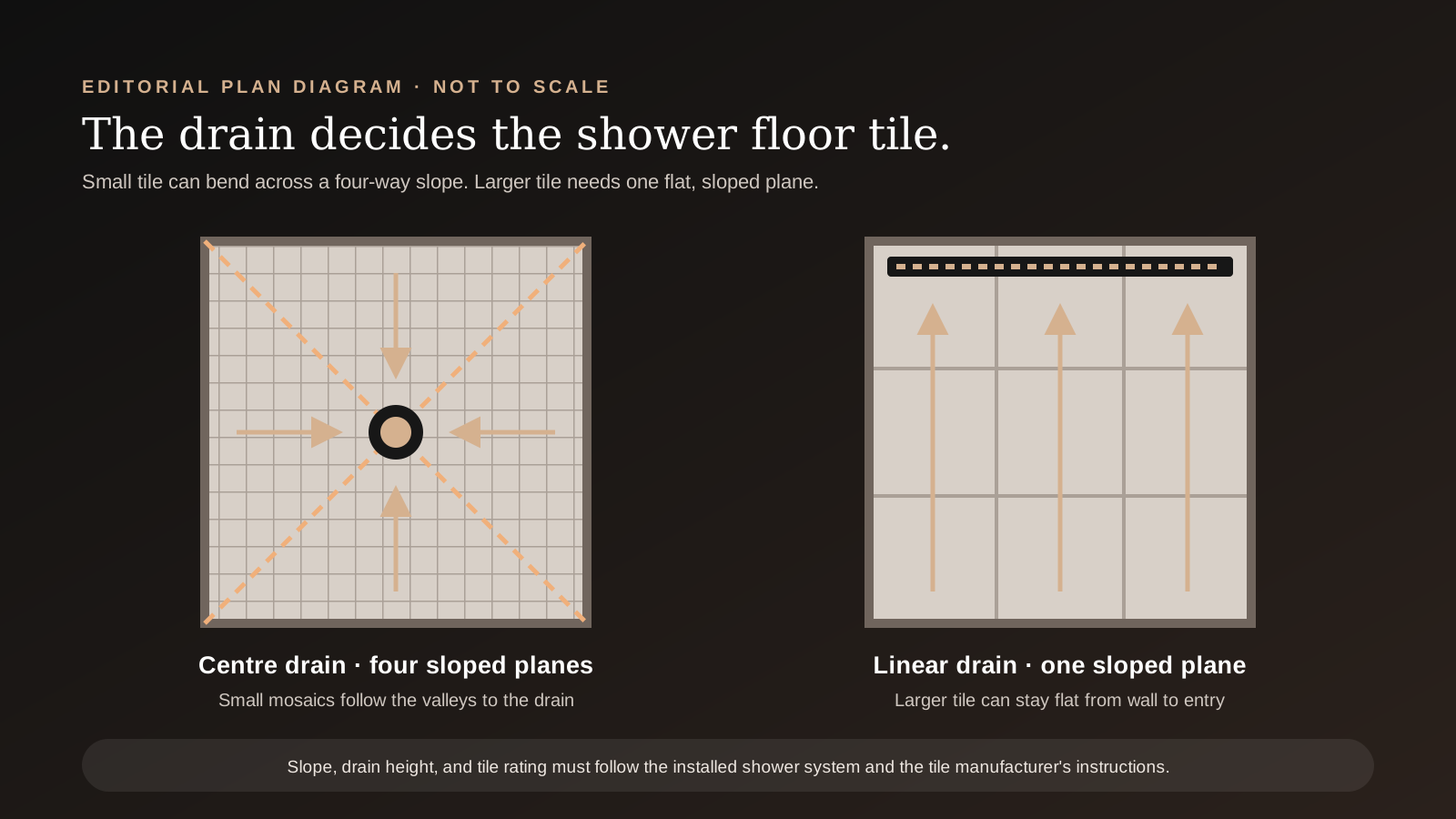
Every shower floor has to slope toward the drain, commonly around 1/4 inch per foot, with the exact slope set by the drain and waterproofing system being installed. The drain style decides the shape of that slope, and the shape decides which tile sizes can sit on it cleanly. The diagram at the top of this guide shows the two main layouts.
Centre drain. The floor slopes down from every wall toward one point, creating four shallow planes that meet in valleys running to the drain. Small mosaics bend across those valleys easily. Larger tiles cannot bend, so they need extra diagonal cuts, often called envelope cuts, to follow the planes. Done well, envelope cuts look deliberate. Done poorly, they leave uneven edges, puddles, and awkward slivers around the drain.
Linear drain. A long, narrow drain lets the whole base slope in a single direction. Schluter notes that a linear drain can sit against a wall or at intermediate locations in the floor, and that the single-plane slope makes large-format tile practical, even letting the bathroom floor tile continue into the shower. The tradeoff is precision: the base must be flat along its length, and the drain must be set to the finished tile height.
If you have your heart set on a particular tile size, tell your installer before the drain is chosen. Changing a drain after the plumbing rough-in is far harder than choosing a tile that suits the drain you already have.
Slip resistance: what a DCOF rating can and cannot tell you
Tile makers in North America report slip resistance as wet dynamic coefficient of friction, or DCOF, measured under ANSI A326.3. A wet DCOF of 0.42 or higher is the threshold for the standard's Interior, Wet category, which covers level interior floors expected to be walked on when wet with water, such as kitchens and bathroom floors.
A shower floor is a harder case, and ANSI A326.3 does not give a single pass or fail number for it. Soap, shampoo, bare feet, and slope all change real-world slip risk. Some manufacturers declare products for the Interior, Wet Plus category, which lists shower floors among its possible uses. The Tile Council of North America is also explicit that a measured DCOF value should not be the only factor in choosing a floor tile.
In practice, look for three things together: a product the manufacturer rates for wet floor or shower floor use, a matte or textured finish, and a format that adds grout joints for grip. Then get the rest of the floor right. A correctly sloped floor that drains without ponding is safer than a textured tile sitting in standing water.
Porcelain: the best default for most shower floors
Porcelain is ceramic tile with water absorption of 0.5 percent or less, which is the industry definition used by the Tile Council of North America. That density is why porcelain resists water uptake and staining better than most wall ceramics. For a shower floor, porcelain offers the widest range of looks with the most predictable maintenance. Our porcelain vs ceramic tile guide covers the full comparison.
Porcelain also comes in the formats a shower floor needs: 2 by 2 mosaics, small hexagons, penny rounds, stone-look and concrete-look mosaics, and larger matte tiles made to match the bathroom floor. Many collections include a wall tile and a matching floor mosaic, which lets the format change at the shower floor without introducing a new colour.
Two cautions apply. First, not every porcelain is a shower floor tile. Polished porcelain can be slippery when wet, and some large porcelain panels are designed for walls only. Second, a dense tile does not waterproof the shower. Grout joints still let moisture through, which is why the base below needs a complete waterproofing and tile prep plan.
Natural stone and pebble shower floors
Marble, limestone, travertine, and slate mosaics can make a shower floor feel warm and custom. Stone also asks more of the people who use it. Many stones need an impregnating sealer, and the Natural Stone Institute notes that sealing makes stone more stain resistant, not stain proof. Calcareous stones such as marble and limestone are sensitive to acids, so products containing vinegar, lemon, or other acids can dull or etch them.
Hard water makes that harder. Local hardness mapping based on Region of Waterloo data shows tap water of roughly 17 to 38 grains per gallon, depending on the area, which is very hard water. Hard water leaves mineral scale, and many fast-acting scale removers are acidic. On a marble shower floor, that combination can dull the exact spot you look at every morning. A squeegee after each shower, which the Natural Stone Institute also recommends for wet areas, is the simplest defence.
Pebble floors offer strong grip and a spa feel, but the stones are uneven underfoot and use a lot of grout. More exposed grout means more scrubbing and more places for soap film to settle. If you love the look, flat-cut pebble mosaics or pebble-look porcelain keep much of the texture with less upkeep.
Tile to keep off the shower floor
Some tiles look perfect in a showroom and are simply the wrong tool for a wet, sloped floor that people stand on barefoot.
- Wall-rated ceramic. Many glazed ceramics are made for walls only. Use ceramic on a shower floor only when that exact product is rated for wet floor use.
- Polished or high-gloss finishes. They show every water spot and give less grip when wet.
- Most glass tile. Glass is excellent in a niche or an accent band, but it is usually too slippery and too difficult to cut cleanly around a drain.
- Large tile on a four-way slope. Without envelope cuts or a linear drain, large tile cannot follow the slope, which leads to uneven edges and standing water.
- Deeply irregular handmade surfaces. Uneven faces and edges can hold water and make an uncomfortable walking surface, even when the same tile works well on the walls.
Grout, sealant, and everyday upkeep
A shower floor has more grout per square foot than almost any other surface in a home, so grout choice deserves real attention. Some cement grouts need sealing, while many high-performance grouts are formulated to resist staining without a separate sealer. The right answer depends on the exact product, so follow the grout manufacturer's cure and sealing instructions rather than a general rule.
Colour matters as well. Very light grout on a shower floor shows soap and mineral discolouration first, while a mid-tone grey, greige, or a shade close to the tile usually ages better. The corner where the floor meets the wall should not be grouted like a normal joint. Changes of plane move, so the Tile Council of North America recommends a flexible sealant there instead of hard grout.
The best daily habits cost almost nothing: squeegee the walls and floor, run the bathroom fan long enough to dry the room, and rinse away soap residue before it builds. For the full grout decision, read how grout choice affects tile installation.
Curbless and walk-in showers change the floor decision
In a curbless shower, the bathroom floor usually runs straight into the shower, so the shower floor tile is often the same tile used across the room. That pushes most curbless designs toward a larger matte porcelain paired with a linear drain, or toward a clear, intentional change in format at the shower zone.
Continuous tile only works when the floor structure has been planned for it. The shower area has to be recessed, or the surrounding floor raised, so the slope fits, and the waterproofing has to extend past the shower opening. Our curbless shower guide explains what that involves in an existing home.
How to choose the best tile for your shower floor in 6 steps
Work through these steps in order. Each answer narrows the next decision, and together they prevent the most common shower floor regrets.
- Confirm the drain. A centre drain points you toward mosaics. A linear drain opens up larger tile.
- Check the product rating. Make sure the manufacturer rates the tile for wet floor or shower floor use, not only walls.
- Choose the finish. Matte, honed, or lightly textured surfaces beat polished or glossy ones on a wet floor.
- Match the size to the slope. Use small formats on four-way slopes and save larger tile for single-plane floors.
- Be honest about upkeep. Factor in stone sealing, hard water, and how much grout you are willing to clean.
- Coordinate with the walls and bathroom floor. Match the colour or collection so the change in format looks designed.
What we recommend for Waterloo Region shower floors
Our default recommendation is a matte porcelain mosaic: dependable grip, a format that follows the slope, and upkeep that suits daily family use and hard local water. When the design calls for a larger tile or a curbless entry, we plan the linear drain and single-plane slope first, then choose the tile to suit it. Natural stone and pebble floors are a good choice when the homeowner wants that look and is comfortable with the care routine.
The best tile for shower floors is only the top layer. A shower floor that lasts starts with the right drain, a correct slope, and continuous waterproofing, and then the tile is chosen to work with all three. Moonka Tiles Co. plans and installs shower floors as part of complete shower tile installation projects across Waterloo Region. Send us your shower layout and tile choices for a clear recommendation on what will work on the floor.
Frequently asked questions
What is the best tile for a shower floor?
For most showers, the best choice is a matte or lightly textured porcelain mosaic, often around 2 by 2 inches or smaller. It resists water, follows the slope to a centre drain, and adds grip through extra grout joints. Larger porcelain works well when a linear drain allows a single-plane slope.
Can you use large tile on a shower floor?
Yes, when the floor slopes in a single plane, usually toward a linear drain. On a centre drain floor with a four-way slope, large tile needs envelope cuts to follow the planes, and uneven edges or standing water become more likely. Choose the drain before you choose the tile size.
Is porcelain or ceramic better for a shower floor?
Porcelain is usually better for a shower floor because it is denser, with water absorption of 0.5 percent or less, and many shower floor mosaics are made in porcelain. Ceramic can work only when the manufacturer rates that exact tile for wet floor use.
Are pebble shower floors hard to maintain?
Pebble floors usually need more upkeep than porcelain because the stones use a lot of grout and create uneven surfaces where soap film and minerals settle. Natural stone pebbles may also need sealing. Flat-cut pebbles or pebble-look porcelain keep the texture with less cleaning.
What slip rating should shower floor tile have?
Look for a tile the manufacturer rates for wet floor or shower floor use. A wet DCOF of 0.42 is the ANSI A326.3 threshold for level interior wet floors, but the standard sets no single number for shower floors, so finish, tile size, slope, and drainage also matter.
Sources and further reading
Technical claims are checked against the following primary or specialist references. Product-specific instructions always take precedence for the assembly being installed.
- Tile Council of North America: dynamic coefficient of friction FAQUsed for: The 0.42 wet DCOF threshold for the Interior, Wet category, the five ANSI A326.3 product-use classifications, and the caution that DCOF should never be the only selection factor.
- ANSI A326.3: wet DCOF and product-use classificationsUsed for: Why no single DCOF number determines shower-floor suitability and why drainage, texture, joints, contaminants, and barefoot use also matter.
- Schluter Systems Canada: showers with a linear drainUsed for: Linear drain placement against a wall or at intermediate floor locations, and single-plane shower floor slopes that allow large-format tile to continue from the bathroom floor.
- Tile Council of North America: 2025 tile initiativeUsed for: The industry definition of porcelain tile as ceramic tile with water absorption of 0.5% or less.
- Natural Stone Institute: care and cleaning of natural stoneUsed for: Cleaning, sealer, stain, and acid-sensitivity considerations when natural stone is considered for a backsplash.
- Water Softener Facts: Region of Waterloo water hardness mapUsed for: Tap water hardness ranges of roughly 17 to 38 grains per gallon across Waterloo, Kitchener, and Cambridge, which affects mineral scale on shower floors.
- Tile Council of North America: grout FAQUsed for: Grout-joint width, movement at changes of plane, flexible sealants, discolouration, and maintenance context.